Helping SMEs Build More Efficient and Scalable Operations
Continuous improvement is no longer a luxury for small businesses—it is a necessity. As organizations face increasing competition, changing customer expectations, and growing operational complexity, improving business processes has become a critical driver of productivity and long-term growth.
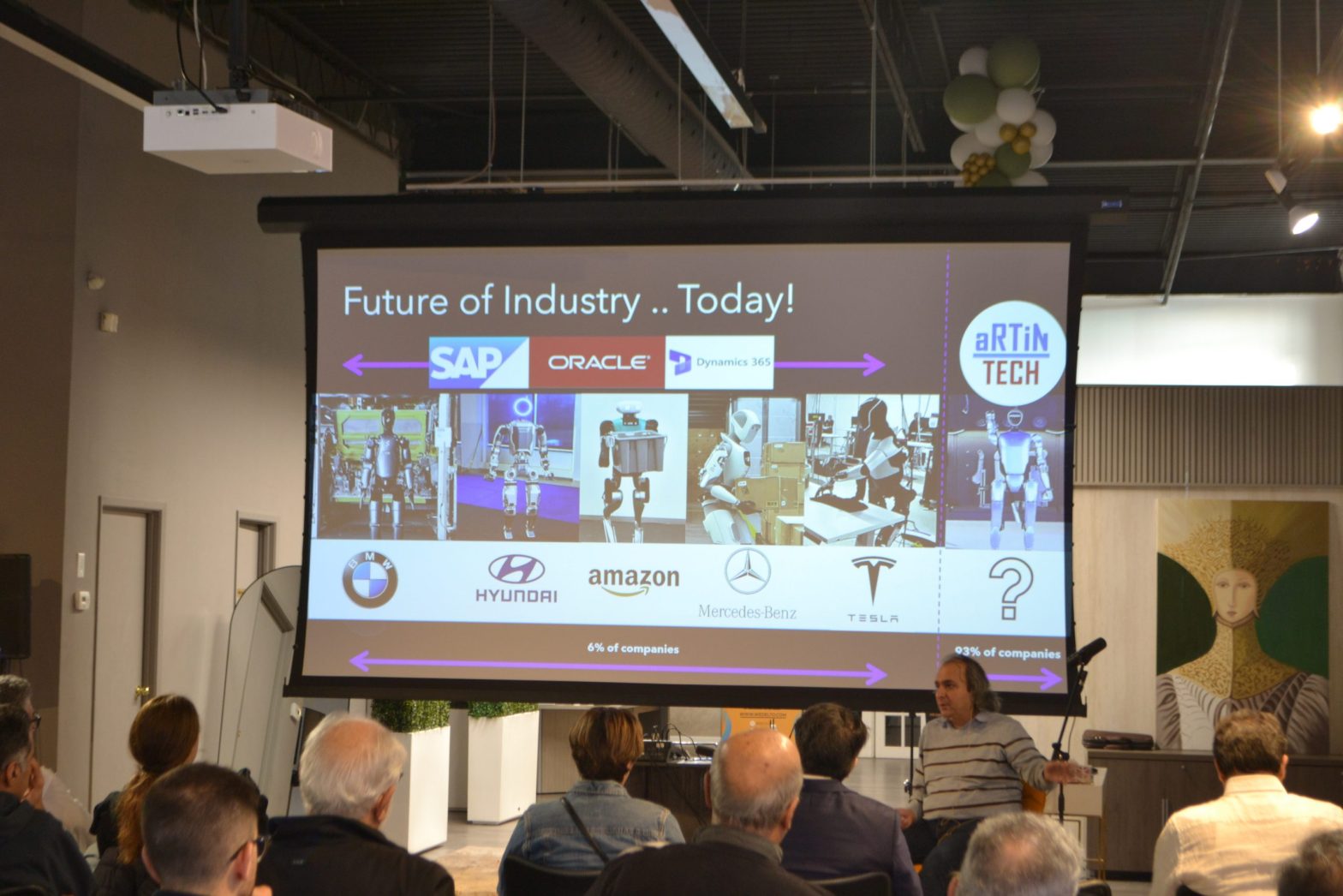
To support this need, Artintech hosted an educational event focused on process improvement strategies for small and medium-sized enterprises (SMEs). The workshop brought together business owners, managers, operations professionals, and industry experts to explore practical approaches for optimizing workflows, reducing inefficiencies, and creating stronger operational foundations.
Why Process Improvement Matters for SMEs
Many growing businesses rely on manual processes, spreadsheets, and disconnected systems to manage daily operations. While these methods may work initially, they often create bottlenecks, communication gaps, and inefficiencies as organizations expand.
Process improvement helps businesses:
- Increase operational efficiency
- Reduce waste and redundant activities
- Improve customer satisfaction
- Strengthen quality and consistency
- Enhance team collaboration
- Support sustainable business growth
- Prepare for digital transformation initiatives
Organizations that establish clear, repeatable processes are better positioned to adapt to market changes and scale their operations effectively.
Key Topics Covered During the Event
Strategic Process Management
One of the central themes of the workshop was the importance of aligning business processes with organizational objectives. Participants learned how process-driven management enables companies to improve decision-making, increase efficiency, and create a framework for continuous improvement.
Process Mapping and Workflow Analysis
Understanding how work moves through an organization is essential for identifying inefficiencies. The session on process mapping demonstrated how visualizing workflows can help businesses uncover bottlenecks, eliminate unnecessary steps, and improve resource allocation.
By documenting and analyzing existing processes, organizations can gain valuable insights into areas that require optimization.
Gap Analysis for Business Improvement
Attendees also explored the role of gap analysis in operational improvement. This methodology helps organizations compare current performance against desired outcomes and identify opportunities for enhancement.
Through structured assessment techniques, businesses can prioritize improvement initiatives and develop practical action plans that deliver measurable results.
Technology-Enabled Process Optimization
Modern business software and digital tools play an increasingly important role in operational excellence. The workshop highlighted how technology can support process standardization, improve visibility, automate routine tasks, and enhance overall organizational performance.
For many SMEs, adopting the right digital solutions can significantly reduce administrative workload while improving accuracy and efficiency.
The Role of Digital Transformation in Process Improvement
Successful process improvement often serves as the foundation for broader digital transformation initiatives. Before implementing new technologies, organizations benefit from understanding and optimizing their existing workflows.
Industry experts emphasized that technology alone does not guarantee success. Effective transformation requires a combination of:
- Well-defined business processes
- Employee engagement and training
- Change management strategies
- Clear performance metrics
- Continuous monitoring and improvement
When people, processes, and technology work together, businesses can achieve meaningful operational improvements and stronger competitive advantages.
Building a Culture of Continuous Improvement
One of the key takeaways from the event was the importance of fostering a culture that embraces ongoing improvement. Organizations that regularly evaluate their processes and encourage innovation are better equipped to respond to challenges and seize new opportunities.
Continuous improvement is not a one-time project—it is an ongoing commitment to enhancing efficiency, quality, and business performance over time.
Supporting the Future Growth of Small Businesses
As SMEs continue navigating an increasingly digital and competitive business environment, process improvement remains a critical success factor. By implementing structured workflows, leveraging data-driven decision-making, and adopting modern business technologies, organizations can improve productivity and position themselves for long-term success.
Events focused on operational excellence provide valuable opportunities for business leaders to learn practical strategies, share experiences, and discover new approaches to achieving sustainable growth.