From Innovation to Real Business Results
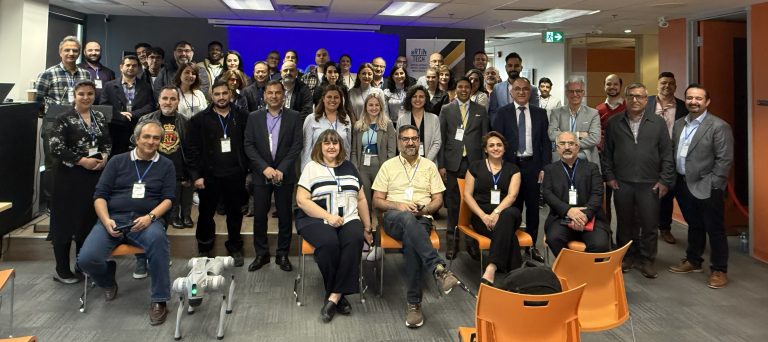
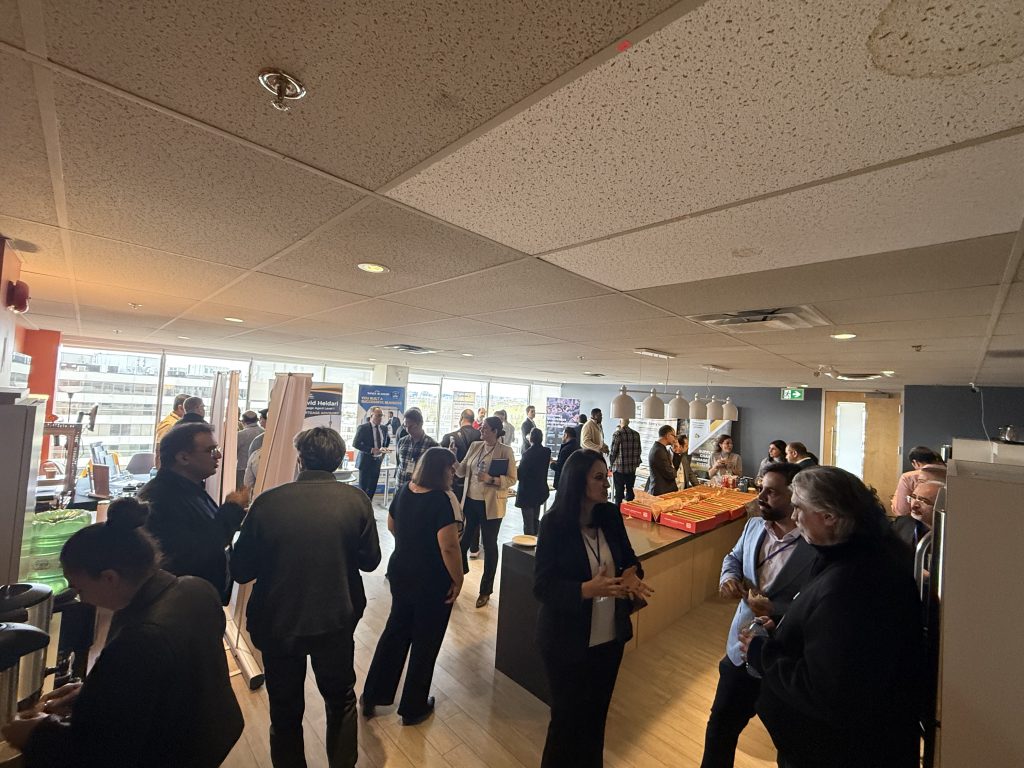
Toronto, Ontario — May 1, 2026 — IndustrioTech successfully hosted an industry-focused event on May 1, bringing together manufacturers, business leaders, engineers, technology specialists, and representatives from small and medium-sized industrial companies to explore how AI, robotics, and automation can deliver measurable operational improvements.
The event focused on moving beyond technology trends and pilot projects to examine practical applications that can improve productivity, reduce operational costs, enhance quality, minimize downtime, and strengthen return on technology investments.
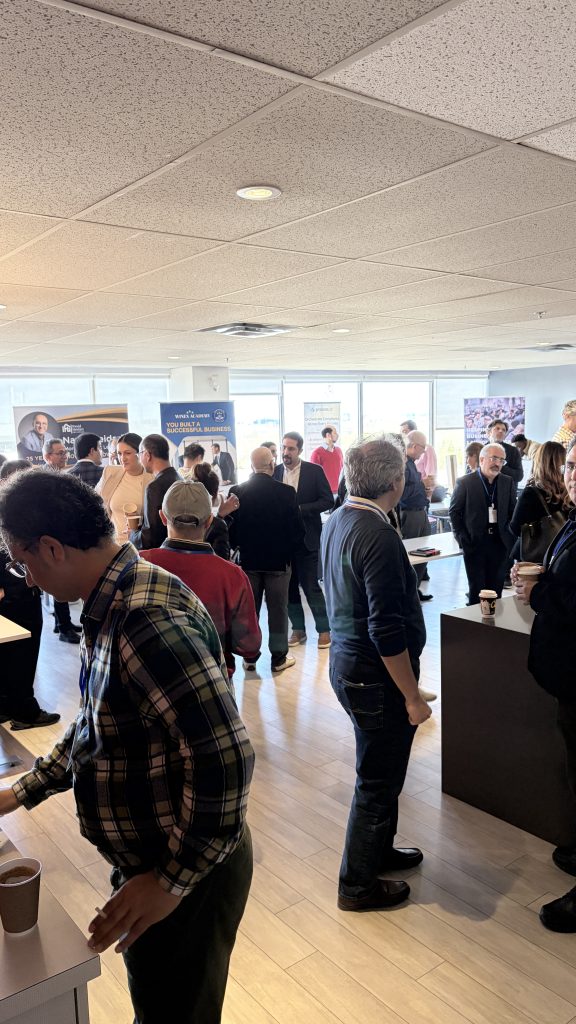
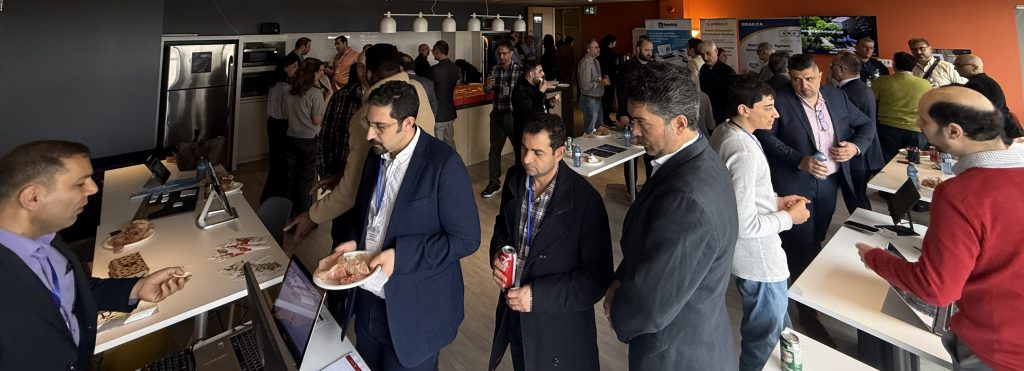
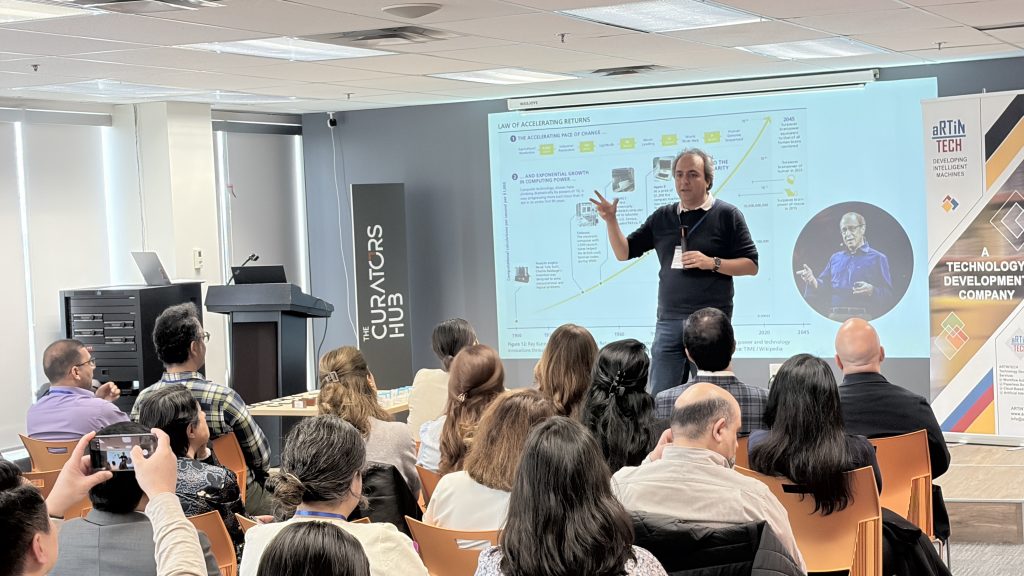
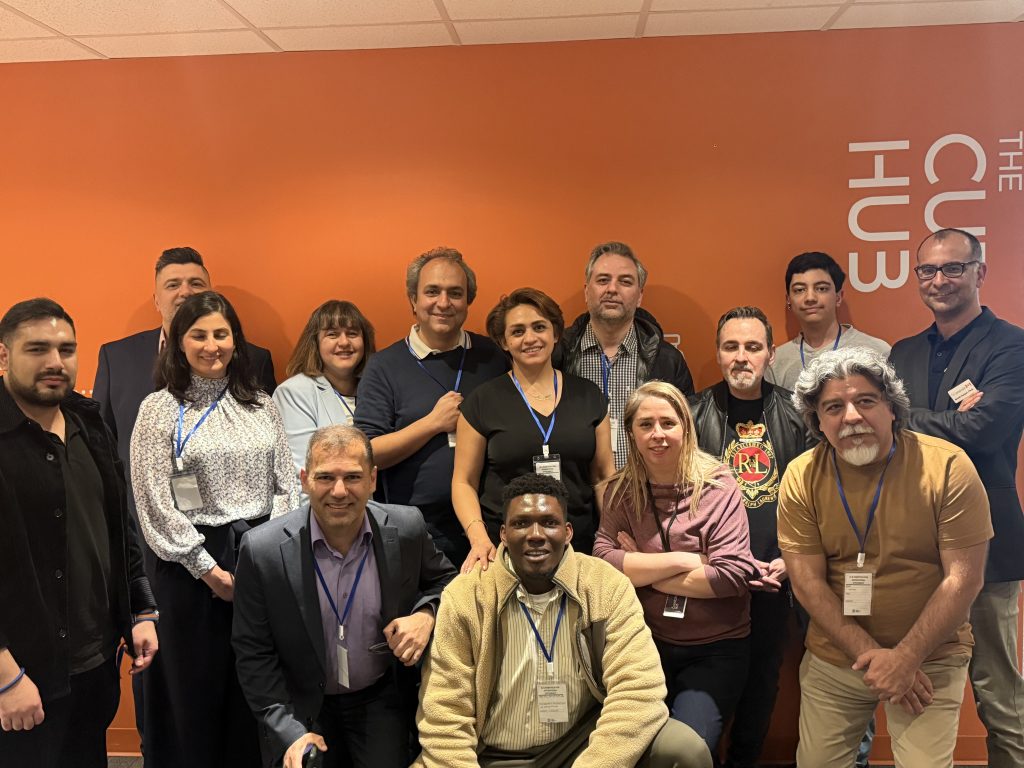
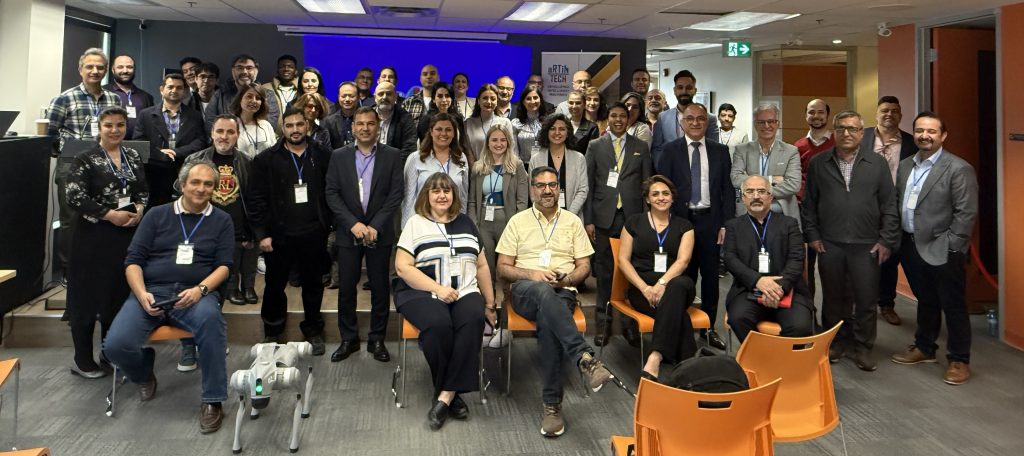
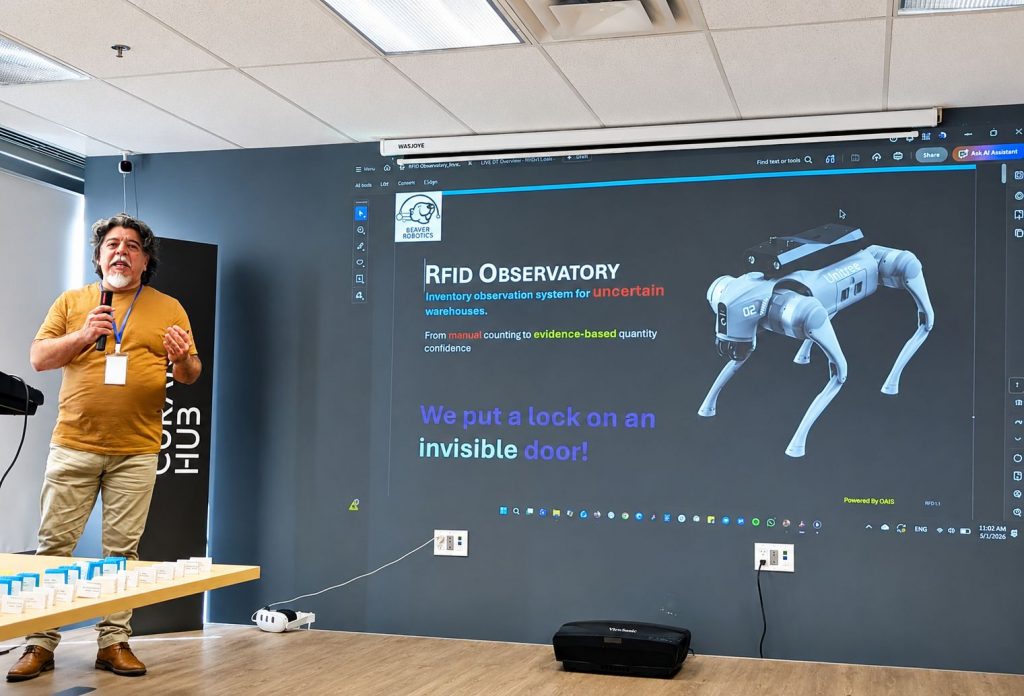
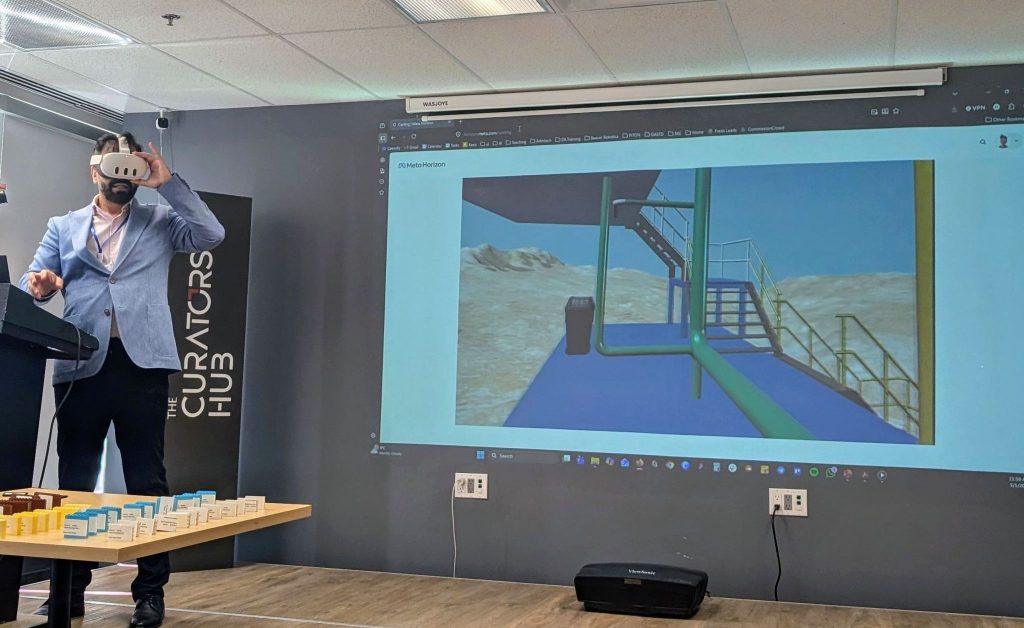
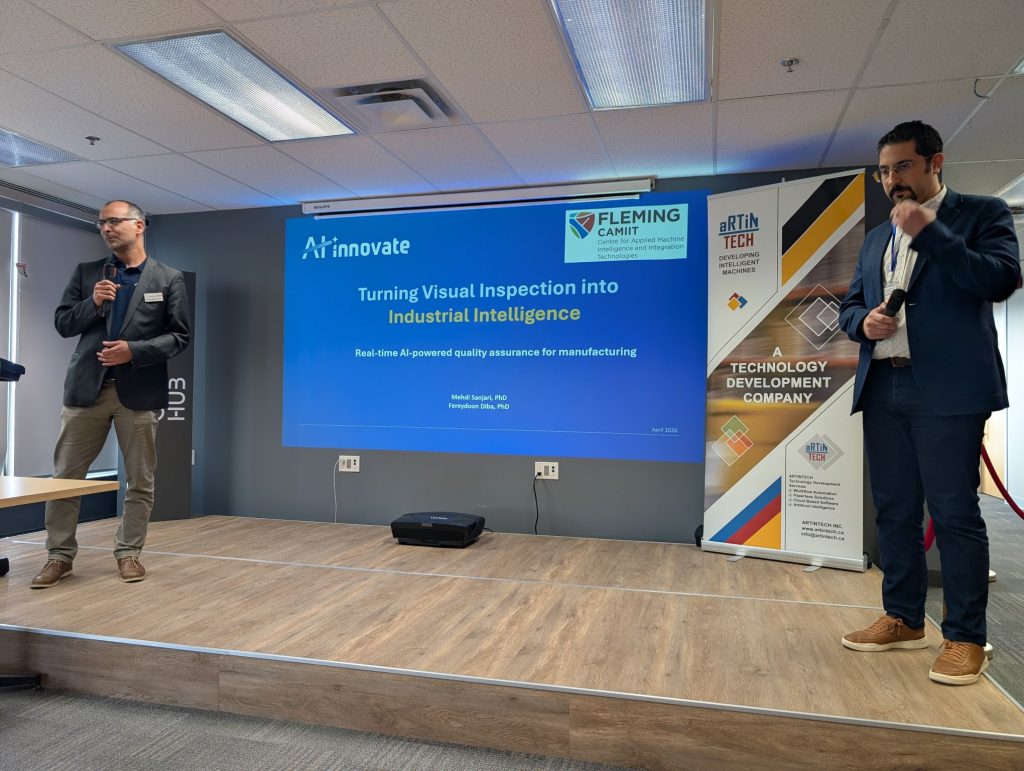
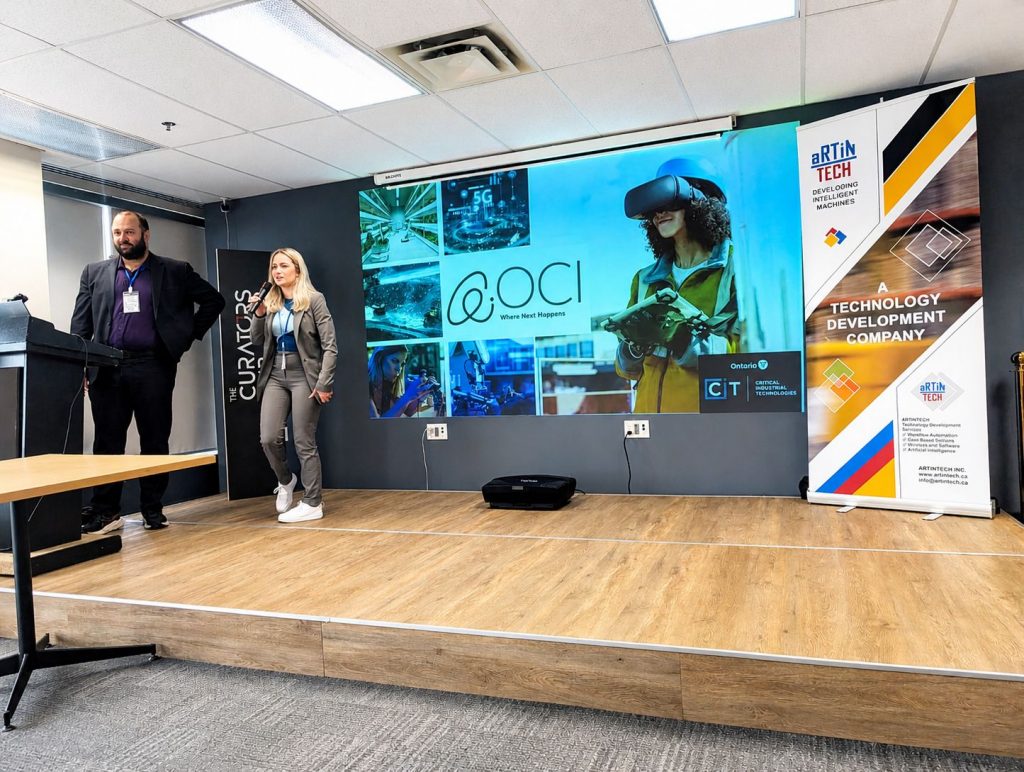
From Innovation to Measurable Results
Throughout the event, speakers and participants discussed how manufacturers can connect emerging technologies with real operational challenges and measurable business objectives.
Key areas of discussion included:
- AI-driven operational improvement
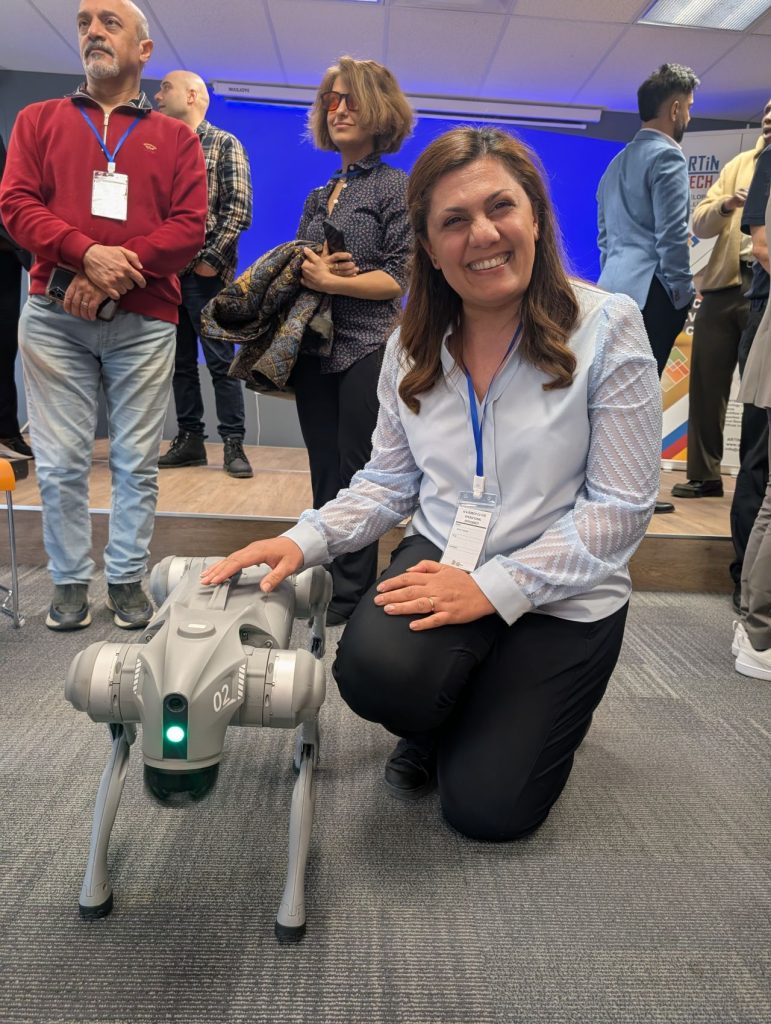
- Robotics and industrial automation
- Predictive maintenance
- Intelligent quality control and machine vision
- Digital twins and real-time monitoring
- Data-driven decision-making
- Technology implementation and adoption
- Scaling successful pilot projects
A recurring theme throughout the sessions was the importance of treating AI and automation as business tools rather than isolated technology initiatives.
Supporting Industrial SMEs
The event placed particular emphasis on the opportunities available to small and medium-sized industrial businesses.
Advances in AI, cloud platforms, industrial software, robotics, IoT, and automation are making technologies that were previously accessible mainly to large enterprises increasingly practical for SMEs.
The event created an opportunity for industrial professionals to learn from experts, exchange experiences, explore available technologies, and connect with organizations supporting technology adoption and digital transformation.
Connecting Industry and Technology
IndustrioTech events are designed to bring technology providers and industrial organizations closer together by focusing on practical applications, implementation experience, and measurable operational outcomes.
The May 1 event continued this mission by creating a platform for knowledge sharing and direct interaction between industry professionals, technology experts, and solution providers.
IndustrioTech thanks all speakers, partners, participants, and attendees who contributed to the success of the event.
Looking Ahead
Following the positive response to the May 1 event, IndustrioTech will continue organizing events and initiatives focused on helping industrial SMEs understand, evaluate, and adopt modern technologies.
Future programs will continue to explore AI, robotics, automation, digital twins, IoT, industrial software, and other technologies shaping the future of industrial operations.
About IndustrioTech
IndustrioTech connects industrial SMEs with modern technologies, industry experts, solution providers, and practical knowledge through events, content, and community initiatives.
Media & Event Inquiries
IndustrioTech
info@industriotech.com
www.industriotech.com